

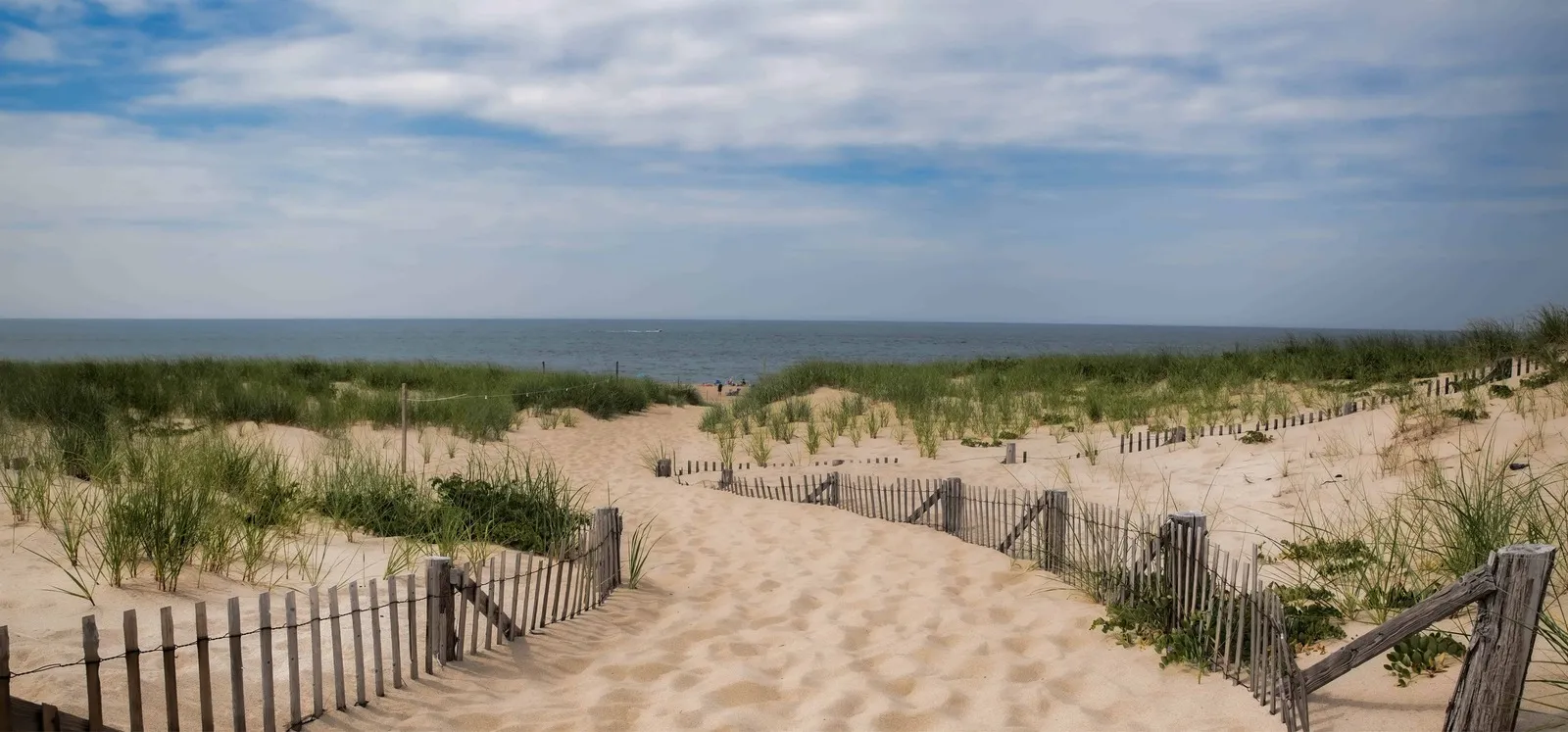



For many, Cape Cod is the picture of summer — sandy beaches, salty air, and busy harbor towns. But over the past century, winter has shaped the Cape just as profoundly. Snowfall totals, historic nor’easters, hurricane-force winds, and coastal flooding have all left a lasting mark on this narrow curve of land reaching into the Atlantic.

Unlike inland Massachusetts, Cape Cod’s winter weather is deeply influenced by the surrounding ocean. Water temperatures help moderate the air, often keeping coastal communities slightly warmer than areas farther west. Cape Cod towns such as Dennis and Yarmouth typically average about 20 to 30 inches of snow each year, though totals can vary widely from one winter to the next.
Even when snowfall differs across the peninsula, the greatest impact of many winter storms comes from wind and coastal flooding. Sustained hurricane-force gusts and enormous waves have battered the shoreline, dramatically reshaping dunes and beaches. Places like Coast Guard Beach have experienced especially significant erosion.
Over the last 100 years, Cape Cod winters have ranged from quiet and nearly snowless to historic and destructive. Its geography — surrounded by water and exposed to powerful coastal storms — ensures that no two winters are ever exactly the same.
Snowfall Trends Over the Last Century
Early to mid-20th century: Winters were generally colder, and lasting snow cover was more common than it is today.
Late 20th century: The Cape experienced several memorable blizzards, along with a growing number of winters marked by mixed precipitation events.
21st century: Some winters have brought major snowstorms, while others have been noticeably mild. Warmer ocean temperatures and shifting storm patterns have contributed to more rain-and-snow mix events along the coast.
According to data tracked by the National Oceanic and Atmospheric Administration (NOAA), coastal New England has seen wide fluctuations in snowfall over recent decades, with strong year-to-year variability. The story is less about steady decline and more about increasing unpredictability.
While inland Massachusetts may define winter by the depth of its snowpack, Cape Cod measures it through a mix of snow, wind, tide, and change. From legendary blizzards to mild, rain-soaked Januaries, winter on Cape Cod is a story of resilience — shaped as much by the sea as by the sky.