

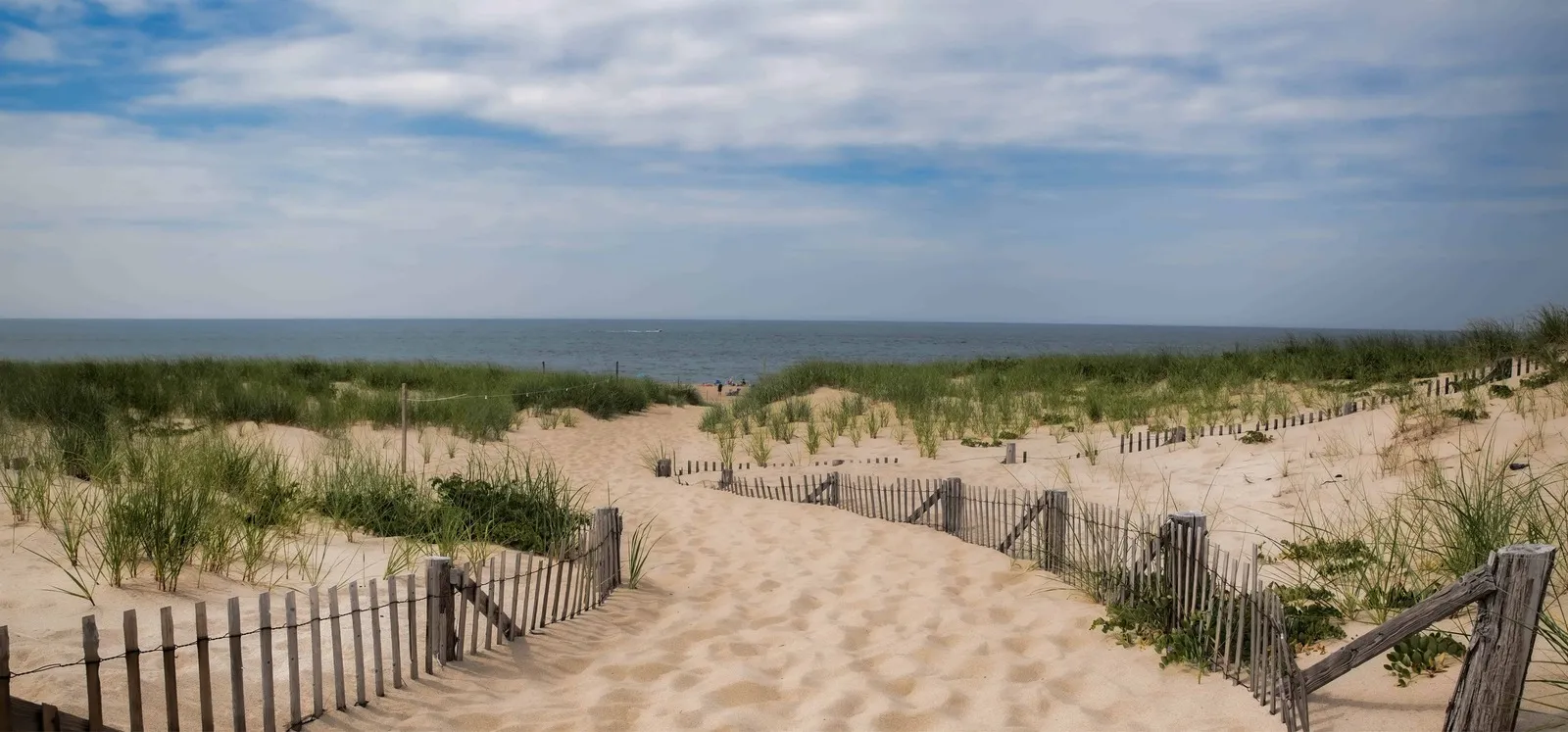



The Ultimate Guide to Buying a Home on Cape Cod
Thinking about buying a home on Cape Cod? Whether you are searching for a year-round residence, a vacation home, an investment property, or a place to spend your retirement, buying real estate on Cape Cod is an exciting opportunity—and one that deserves careful planning.
Cape Cod offers something few other places can match: beautiful beaches, charming villages, historic homes, outdoor recreation, restaurants, boating, golf, and a relaxed coastal lifestyle. From the beaches of Yarmouth and Dennis to the villages of Harwich, Chatham, Brewster, Barnstable and beyond, every community has its own personality, housing stock, price points, and lifestyle.
But buying a home on Cape Cod is different from buying in many other markets. Inventory can be limited, seasonal demand can influence the market, properties may have septic systems rather than municipal sewer, flood zones and coastal considerations can matter, and local knowledge can make a significant difference.
This comprehensive guide will walk you through everything you need to know about buying a home on Cape Cod, including choosing the right town, determining your budget, understanding the local market, navigating inspections, evaluating septic systems, making an offer, and successfully closing on your Cape Cod property.
Why Buy a Home on Cape Cod?
For generations, people have been drawn to Cape Cod for its combination of natural beauty, community, recreation, and coastal living.
Cape Cod is more than a summer destination. Many communities have thriving year-round populations, excellent restaurants, local businesses, healthcare services, schools, cultural attractions, and recreational opportunities.
A Cape Cod Lifestyle
One of the biggest reasons buyers choose Cape Cod is lifestyle.
Imagine starting the morning with a walk along the beach, spending an afternoon on the water, riding the Cape Cod Rail Trail, playing golf, visiting a local farmers market, or enjoying dinner overlooking the harbor.
Cape Cod also offers a remarkable variety of environments.
You can find:
-
Quiet residential neighborhoods
-
Waterfront properties
-
Homes near beaches
-
Historic Cape-style houses
-
New construction
-
Condominiums
-
Retirement-friendly communities
-
Golf communities
-
Homes with large lots
-
Vacation properties
-
Investment and rental opportunities
The key is identifying the community and property that best match your priorities.
Step 1: Determine Why You Are Buying
Before you begin looking at Cape Cod homes for sale, determine exactly what you want the property to accomplish.
Your goals will influence almost every other decision.
Are You Buying a Year-Round Home?
If you plan to live on Cape Cod full time, consider factors beyond the property itself.
Think about:
-
Commute time
-
Schools
-
Healthcare
-
Grocery stores
-
Restaurants
-
Winter services
-
Community activities
-
Internet availability
-
Proximity to family
-
Access to Route 6
-
Public transportation
-
Distance to the mainland
A property that is perfect as a summer vacation home may not necessarily be the best choice for year-round living.
Are You Buying a Vacation Home?
A vacation home requires a different approach.
You may prioritize:
-
Proximity to the beach
-
Outdoor living space
-
Walkability
-
Restaurants and attractions
-
Number of bedrooms
-
Parking
-
Rental potential
-
Low-maintenance features
-
Outdoor shower
-
Water access
If you plan to rent the property when you are not using it, make sure you understand the local rules governing short-term rentals before purchasing.
Are You Buying an Investment Property?
Cape Cod real estate can be attractive to buyers interested in rental income, but investment properties require careful analysis.
Do not simply assume that a property near the beach will automatically generate strong returns.
Evaluate:
-
Purchase price
-
Property taxes
-
Insurance
-
Utilities
-
Maintenance
-
Property management
-
Rental restrictions
-
Septic capacity
-
Local regulations
-
Seasonal occupancy
-
Potential rental income
A local real estate professional can help you evaluate the property's potential, but buyers should also perform their own financial analysis.
Are You Buying a Retirement Home?
Cape Cod is a popular retirement destination because of its coastal lifestyle, recreational opportunities, and communities.
Retirement buyers should consider:
-
Accessibility
-
One-floor living
-
Healthcare
-
Proximity to shopping
-
Maintenance requirements
-
Property taxes
-
Insurance
-
Winter accessibility
-
Homeowner association fees
-
Long-term resale potential
Buying with the next 10, 20, or 30 years in mind can help you avoid purchasing a home that eventually becomes difficult to maintain.
Step 2: Choose the Right Cape Cod Town
One of the most important decisions you will make is where to buy on Cape Cod.
Cape Cod is divided into four general regions:
-
Upper Cape
-
Mid Cape
-
Lower Cape
-
Outer Cape
Each area has its own character.
Upper Cape
The Upper Cape includes communities such as:
-
Bourne
-
Falmouth
-
Sandwich
-
Mashpee
The Upper Cape is particularly attractive to buyers who want easier access to the mainland.
Falmouth offers beaches, villages, restaurants, shopping, boating, and a vibrant year-round community.
Sandwich is known for its historic character and charming village atmosphere.
Mashpee offers newer neighborhoods, shopping, golf communities, and access to conservation areas and beaches.
The Upper Cape can be especially appealing to commuters who need to travel on or off Cape regularly.
Mid Cape
The Mid Cape includes:
-
Barnstable
-
Yarmouth
-
Dennis
This area offers a tremendous variety of Cape Cod real estate.
Barnstable
Barnstable is Cape Cod's largest municipality and includes several distinct villages, including Hyannis, Osterville, Centerville, Cotuit, Marstons Mills, West Barnstable, Barnstable Village, and West Hyannisport.
Because of its size and variety, Barnstable offers everything from historic properties and waterfront homes to condominiums and suburban-style neighborhoods.
Yarmouth
Yarmouth includes South Yarmouth, West Yarmouth, Yarmouth Port, and Bass River.
Buyers looking for Yarmouth MA homes for sale will find a wide range of properties and price points.
Yarmouth is particularly attractive for buyers who want access to beaches, restaurants, boating, golf, and year-round amenities.
Dennis
Dennis is known for its beautiful beaches, historic villages, restaurants, ponds, conservation land, and coastal lifestyle.
Dennis includes several distinct areas, including Dennis Village, South Dennis, West Dennis, Dennis Port, and East Dennis.
Buyers searching for Dennis MA real estate should take time to understand how different each village can feel.
Lower Cape
The Lower Cape includes communities such as:
-
Harwich
-
Chatham
-
Brewster
-
Orleans
Harwich
Harwich offers beaches, cranberry bogs, conservation land, boating, golf, restaurants, and charming villages.
It can appeal to buyers who want a traditional Cape Cod environment while remaining relatively accessible to the rest of the Cape.
Chatham
Chatham is one of Cape Cod's best-known communities, famous for its harbor, beaches, Main Street, restaurants, shops, and classic coastal architecture.
Real estate in Chatham can command a significant premium, particularly for properties close to the water or village center.
Brewster
Brewster is known for its Cape Cod Bay beaches, salt marshes, historic homes, conservation areas, and peaceful atmosphere.
The town is especially famous for the Brewster Flats, where expansive tidal flats appear at low tide.
Orleans
Orleans sits at an important crossroads between the Lower and Outer Cape.
The town offers beaches, ponds, restaurants, shops, and access to both Cape Cod Bay and the Atlantic side of the Cape.
Outer Cape
The Outer Cape includes:
-
Eastham
-
Wellfleet
-
Truro
-
Provincetown
These communities tend to have a distinctly coastal and artistic character.
The Outer Cape can be ideal for buyers who prioritize beaches, nature, conservation land, art, restaurants, and a more remote atmosphere.
However, buyers should pay close attention to seasonal accessibility and year-round services.
Step 3: Establish Your Cape Cod Home-Buying Budget
Before falling in love with a property, determine how much home you can comfortably afford.
Your purchase price is only one part of the equation.
Your overall budget should account for:
-
Down payment
-
Mortgage payment
-
Property taxes
-
Homeowners insurance
-
Flood insurance, if applicable
-
Utilities
-
Maintenance
-
Landscaping
-
Snow removal
-
Septic maintenance
-
Water systems
-
Homeowner association fees
-
Closing costs
-
Potential renovations
Cape Cod homes can also have unique maintenance considerations because of their coastal environment.
Salt air, wind, moisture, older construction, and seasonal weather can all affect a property.
Step 4: Get Pre-Approved for a Mortgage
If you are financing your purchase, getting pre-approved before seriously shopping for a home is one of the smartest things you can do.
A pre-approval helps you understand:
-
How much you can borrow
-
What your monthly payment could be
-
What interest rate you may qualify for
-
How much cash you need to close
-
Which properties fit your financial situation
It also makes your offer stronger.
In a competitive real estate market, sellers generally want confidence that a buyer can successfully obtain financing.
Don't Forget About the Down Payment
Your down payment will depend on your financing program and financial situation.
Some buyers put down a relatively small percentage, while others make larger down payments.
If you are buying a second home or investment property, financing requirements may differ from those for a primary residence.
Talk with a qualified lender before assuming that financing for a Cape Cod vacation home will work exactly like financing for your primary residence.
Step 5: Understand Cape Cod Property Taxes
Property taxes vary by town and property.
When comparing Cape Cod homes, look at the actual property tax history rather than estimating taxes solely from the asking price.
Remember that Massachusetts property taxes are generally based on assessed value, and assessments can change.
If you are buying a property that has recently undergone significant improvements, ask questions about how those improvements could affect future assessments.
Step 6: Understand Cape Cod Home Insurance
Insurance deserves special attention when buying Cape Cod real estate.
Coastal properties can face risks associated with:
-
Wind
-
Storms
-
Flooding
-
Coastal erosion
-
Water damage
Depending on the property's location, flood insurance may be required by your lender or strongly recommended.
Insurance costs can vary substantially from one property to another.
Before committing to a purchase, obtain an insurance quote based on the actual property.
This is particularly important for waterfront and near-water properties.
Step 7: Pay Attention to Flood Zones
If you are buying a home near the water, determine whether the property is located in a flood zone.
A flood-zone designation can influence:
-
Insurance requirements
-
Insurance premiums
-
Financing
-
Building requirements
-
Renovation options
-
Resale considerations
Never assume that because a property has never flooded, flood risk is irrelevant.
Ask questions and conduct appropriate due diligence.
Step 8: Understand Cape Cod Septic Systems
One of the most important differences for many Cape Cod buyers is septic.
Many Cape Cod homes are not connected to municipal sewer systems.
Instead, they rely on private septic systems.
A septic system generally consists of a tank and leaching system designed to treat wastewater on the property.
Why Septic Matters
The size and design of a septic system can influence how many bedrooms a home is approved for.
That can be extremely important.
A home may physically contain four bedrooms, but the septic system may be approved for fewer.
This matters if you are planning:
-
An addition
-
A finished basement
-
More bedrooms
-
A guest suite
-
A vacation rental
Title 5
Massachusetts Title 5 regulations govern septic systems and wastewater treatment.
A septic inspection is an important part of due diligence when purchasing a property with private wastewater treatment.
Your real estate agent can help coordinate with appropriate professionals, but buyers should rely on qualified inspectors and engineers for technical determinations.
Step 9: Don't Skip the Home Inspection
A home inspection is one of the most important steps in the Cape Cod home-buying process.
Cape Cod has a large inventory of older homes, and age can bring unique maintenance issues.
An inspection may evaluate areas such as:
-
Roof
-
Foundation
-
Electrical
-
Plumbing
-
Heating system
-
Cooling system
-
Structural components
-
Windows
-
Doors
-
Attic
-
Basement
-
Crawl spaces
-
Insulation
-
Ventilation
-
Exterior siding
-
Decks
-
Chimneys
Depending on the property, you may also want additional inspections.
Step 10: Consider Specialized Inspections
A general home inspection may not be enough for every Cape Cod property.
Additional inspections can include:
Septic Inspection
Especially important for properties with private septic systems.
Well Inspection
If the property uses a private well, test the water and evaluate the system.
Pest Inspection
Older homes and homes with wood structures may warrant a pest inspection.
Radon Testing
Radon can be present in homes throughout Massachusetts. Testing can determine whether elevated levels exist.
Structural Inspection
For older homes or properties with visible structural concerns, additional evaluation may be appropriate.
Chimney Inspection
A chimney specialist can evaluate the condition of the chimney and flue.
Fireplace Inspection
Especially important for older properties with fireplaces.
Step 11: Think About the Age of the Home
Cape Cod has a fascinating mix of historic properties, mid-century homes, contemporary houses, new construction, and everything in between.
Older homes can offer:
-
Character
-
Historic details
-
Established landscaping
-
Charming architecture
-
Desirable locations
But they may also require more maintenance.
When purchasing an older Cape Cod home, pay close attention to:
-
Electrical systems
-
Plumbing
-
Roofing
-
Heating
-
Insulation
-
Windows
-
Foundation
-
Septic
-
Drainage
A charming home can be a wonderful investment—but buyers should understand what they are purchasing.
Step 12: Determine How Close You Really Want to Be to the Beach
Many people begin their Cape Cod home search with one requirement:
"I want to be close to the beach."
That's understandable.
But "close to the beach" can mean very different things.
Do you want:
-
Oceanfront?
-
Water view?
-
Across the street?
-
A short bike ride?
-
A 10-minute walk?
-
A 10-minute drive?
The closer a property is to the water, the more important it becomes to consider:
-
Flood risk
-
Insurance
-
Storm exposure
-
Wind
-
Salt-air corrosion
-
Erosion
-
Maintenance
Sometimes a home located a few streets away from the water can offer many of the lifestyle benefits of a beach property at a lower purchase price and with fewer coastal risks.
Step 13: Think About Location Beyond the Property
When buying a home on Cape Cod, you aren't just buying a house.
You're buying a location.
Drive the neighborhood at different times of day.
Visit during:
-
Morning
-
Afternoon
-
Evening
-
Weekdays
-
Weekends
-
Summer
-
Off-season
A quiet street in January can feel very different in July.
Look at:
-
Traffic
-
Parking
-
Noise
-
Nearby businesses
-
Beach access
-
Seasonal activity
-
Neighbors
-
Road conditions
This is particularly important if you're buying a vacation property.
Step 14: Understand Seasonal Cape Cod Living
Cape Cod changes dramatically throughout the year.
Summer is the busiest season, with beaches, restaurants, attractions, boating, and tourism bringing tremendous activity to the region.
Spring and fall can offer a quieter coastal experience.
Winter is much more peaceful.
For buyers considering year-round living, spend time on Cape Cod outside the summer season.
You'll learn things about the community that you simply cannot understand from a summer visit.
Step 15: Decide Whether You Want New Construction or an Older Home
Both options have advantages.
New Construction
Potential benefits include:
-
Modern systems
-
Energy efficiency
-
Updated building standards
-
Less immediate maintenance
-
Modern layouts
-
New kitchens and bathrooms
Older Homes
Potential benefits include:
-
Character
-
Established neighborhoods
-
Historic details
-
Mature landscaping
-
Potentially larger lots
-
Unique architectural features
The right choice depends on your budget, lifestyle, maintenance tolerance, and goals.
Step 16: Consider Condominium Living
A condominium can be an excellent option for buyers who want a Cape Cod property without the maintenance responsibilities of a single-family home.
Condo ownership may reduce responsibilities for:
-
Exterior maintenance
-
Landscaping
-
Snow removal
-
Common areas
-
Some building maintenance
But condo buyers should carefully review:
-
Monthly fees
-
Reserve funds
-
Association rules
-
Rental restrictions
-
Pet policies
-
Parking
-
Special assessments
-
Owner occupancy requirements
If you're purchasing a condo as a vacation home or rental property, rental restrictions are especially important.
Step 17: Understand Vacation Rental Rules
If you intend to rent your Cape Cod property, investigate the rules before purchasing.
Rules can vary by municipality and may involve:
-
Registration
-
Licensing
-
Occupancy
-
Parking
-
Health and safety requirements
-
Taxes
-
Minimum rental periods
-
Local zoning
-
Homeowner association restrictions
Never purchase a property based solely on projected rental income without verifying that your intended rental strategy is permitted.
Step 18: Work With a Cape Cod Real Estate Agent
A local real estate agent can provide valuable insight into the nuances of the Cape Cod market.
The right agent should understand:
-
Local neighborhoods
-
Property values
-
Inventory
-
Seasonal trends
-
Septic systems
-
Title 5
-
Flood zones
-
Local regulations
-
Inspection issues
-
Negotiation
-
Cape Cod communities
Local expertise is particularly valuable when you are unfamiliar with the area.
An agent can also help you compare properties beyond the obvious factors such as price and square footage.
Step 19: Search Strategically for Cape Cod Homes for Sale
Online searches are an important part of today's home-buying process, but they should be only one part of your strategy.
When searching for Cape Cod homes, consider creating separate searches for:
-
Town
-
Price
-
Bedrooms
-
Bathrooms
-
Waterfront
-
Water view
-
Condo
-
Single-family
-
New construction
-
Vacation home
-
Investment property
Don't limit yourself too narrowly at first.
You may discover that a nearby neighborhood offers substantially better value.
Step 20: Don't Automatically Focus on the Asking Price
The asking price is not necessarily the value of the property.
Cape Real Estate can help you evaluate:
-
Recent comparable sales
-
Current competition
-
Property condition
-
Location
-
Lot size
-
Improvements
-
Market time
-
Seller motivation
-
Seasonal market conditions
A property listed at $900,000 isn't necessarily a better value than one listed at $950,000.
The real question is:
What does the property offer relative to its price and comparable alternatives?
Step 21: Understand Cape Cod Real Estate Market Conditions
Real estate markets change.
Inventory, mortgage rates, buyer demand, pricing, and days on market can all shift over time.
Instead of relying on national real estate headlines, look closely at the specific Cape Cod town and neighborhood where you're buying.
Yarmouth may behave differently from Chatham.
Dennis may behave differently from Brewster.
Barnstable may behave differently from Provincetown.
Local market data matters.
Step 22: Be Prepared to Make a Strong Offer
Once you find the right home, be prepared to move.
A strong offer isn't always simply the highest price.
Sellers may also consider:
-
Financing strength
-
Pre-approval
-
Down payment
-
Closing date
-
Inspection terms
-
Contingencies
-
Deposit
-
Overall certainty of closing
Your agent can help you structure an offer that is competitive while still protecting your interests.
Step 23: Understand Massachusetts Purchase and Sale Agreements
Once an offer is accepted, the transaction continues through additional legal and contractual steps.
Massachusetts real estate transactions commonly involve attorneys, and buyers should work with qualified real estate counsel.
Your attorney can help review documents and protect your legal interests throughout the transaction.
Step 24: Complete Your Due Diligence
Before closing, your team may need to address:
-
Home inspection
-
Septic
-
Title
-
Insurance
-
Financing
-
Appraisal
-
Survey
-
Property condition
-
Municipal records
-
Permits
-
Condo documents
-
Flood insurance
-
Well water
-
Other property-specific concerns
This is the time to ask questions.
If something doesn't make sense, investigate it before closing rather than assuming it will be fine.
Step 25: Review Property Permits
For older Cape Cod homes, permits can be particularly important.
If the home has:
-
An addition
-
Finished basement
-
Deck
-
Pool
-
Garage
-
Renovated kitchen
-
Converted space
-
Additional bedrooms
Ask whether appropriate permits were obtained.
Unpermitted work can create complications with insurance, financing, future renovations, and resale.
Step 26: Evaluate the Property's Long-Term Potential
Even if you plan to live in the house for many years, think about resale.
Ask yourself:
-
Is the location desirable?
-
Is the floor plan functional?
-
Is the property easy to maintain?
-
Is the lot usable?
-
Is parking adequate?
-
Is the septic system appropriate?
-
Is the property exposed to coastal risks?
-
Are there nearby amenities?
-
Is the property likely to appeal to future buyers?
You don't need to predict the future.
But you should avoid making a purchase based entirely on today's needs.
Cape Cod Home-Buying Mistakes to Avoid
Buying real estate is a major financial decision.
Here are some common mistakes Cape Cod buyers should avoid.
1. Shopping Before Getting Pre-Approved
Know your budget before touring homes.
2. Ignoring Property Taxes
A home's purchase price doesn't tell you the full cost of ownership.
3. Underestimating Insurance
Get an actual insurance quote.
4. Ignoring Septic
Understand the system and bedroom approval.
5. Assuming Beach Proximity Is Always Better
Coastal properties come with additional considerations.
6. Skipping Inspections
A beautiful home can still have expensive problems.
7. Ignoring Off-Season Conditions
Visit the area beyond summer.
8. Assuming Rental Income
Verify local regulations and calculate expenses realistically.
9. Focusing Only on the House
The neighborhood matters just as much.
10. Waiting for the "Perfect" Property
There may never be a home that checks every box.
Instead, identify your non-negotiables and distinguish them from preferences.
How Much House Should You Buy on Cape Cod?
The answer depends on your goals.
A smaller home may be ideal for a couple seeking a low-maintenance vacation property.
A larger home may make sense for a family that expects to host guests.
A condominium may be ideal for someone who doesn't want exterior maintenance.
A multi-bedroom home may be attractive for a buyer interested in rental income.
Instead of asking:
"How much house can I afford?"
consider asking:
"What property best fits the life I want to live?"
That shift can make your search much more productive.
Best Cape Cod Towns for Different Buyers
There isn't one "best" Cape Cod town.
The best community depends on your priorities.
Best for Year-Round Living
Consider communities with strong year-round amenities, services, restaurants, healthcare, and community activity.
Best for Beach Lovers
Look for neighborhoods with convenient access to your preferred beach.
Best for Commuters
The Upper and Mid Cape may provide easier access to the mainland.
Best for Historic Character
Explore communities with historic villages and older Cape Cod architecture.
Best for Vacation Homes
Focus on beach access, restaurants, recreation, low-maintenance properties, and rental rules.
Best for Golf Enthusiasts
Cape Cod has numerous golf communities and private and public courses.
Best for Nature Lovers
Look for properties near conservation land, walking trails, ponds, beaches, and the Cape Cod National Seashore.
What Should You Look for in a Cape Cod Home?
A Cape Cod home should ultimately fit your lifestyle.
Some features that buyers frequently value include:
-
First-floor bedrooms
-
Open living areas
-
Outdoor showers
-
Decks
-
Patios
-
Fireplaces
-
Central air
-
Updated kitchens
-
Finished basements
-
Garages
-
Ample parking
-
Fenced yards
-
Mature landscaping
-
Beach access
-
Water views
-
Walkability
But don't allow a checklist to distract you from the bigger picture.
Location, condition, price, and long-term suitability are often more important than cosmetic features.
Buying a Waterfront Home on Cape Cod
Waterfront real estate is one of the most desirable segments of the Cape Cod market.
But waterfront buyers need to perform additional due diligence.
Consider:
-
Flood zone
-
Flood insurance
-
Erosion
-
Coastal regulations
-
Elevation
-
Shoreline conditions
-
Storm exposure
-
Maintenance
-
Dock regulations
-
Water access
-
Insurance availability
A waterfront property can be an extraordinary purchase—but buyers should understand both the benefits and risks.
Buying a Second Home on Cape Cod
A second home can provide years of enjoyment while potentially becoming an important long-term asset.
Before buying, determine:
How often will you actually use it?
Then estimate:
-
Mortgage
-
Taxes
-
Insurance
-
Maintenance
-
Utilities
-
Cleaning
-
Landscaping
-
Snow removal
-
Repairs
-
Property management
If the property will be rented, add:
-
Management fees
-
Cleaning
-
Marketing
-
Rental taxes
-
Platform fees
-
Increased wear and tear
The best second home is usually one that works financially and provides the lifestyle you want.
Buying a Home on Cape Cod as an Out-of-State Buyer
Many Cape Cod buyers live outside Massachusetts.
If you're buying from another state, organization is particularly important.
Before traveling to Cape Cod, send your agent a detailed list of your priorities.
Include:
-
Preferred towns
-
Budget
-
Bedrooms
-
Bathrooms
-
Property type
-
Waterfront requirements
-
Beach preferences
-
Rental plans
-
Timing
Your agent can then help narrow the search before you arrive.
Technology also makes remote buying easier than ever, with virtual tours, video calls, electronic documents, and remote communication.
The Cape Cod Home-Buying Timeline
While every transaction is different, the general process looks something like this:
1. Define Your Goals
Determine what type of property you want.
2. Establish Your Budget
Talk with your lender.
3. Get Pre-Approved
Understand your financing options.
4. Choose Your Towns
Explore different Cape Cod communities.
5. Find Your Agent
Choose someone who understands the local market.
6. Begin Touring Homes
Compare properties and neighborhoods.
7. Make an Offer
Your agent and attorney can help guide the process.
8. Complete Inspections
Perform appropriate due diligence.
9. Finalize Financing
Complete lender requirements.
10. Review Legal Documents
Work with your attorney.
11. Prepare for Closing
Complete final requirements.
12. Close
Sign the necessary documents and receive the keys to your Cape Cod home.
When Is the Best Time to Buy a Home on Cape Cod?
There is no universal "best" month to buy.
Different seasons offer different advantages.
Spring
More inventory often begins entering the market, giving buyers more options.
Summer
The Cape is at its busiest, allowing buyers to experience neighborhoods during peak season.
Fall
There can be opportunities as some sellers become more motivated after the peak summer season.
Winter
Winter can provide a quieter environment and an opportunity to see how a property and neighborhood function during the off-season.
The best time to buy is ultimately when the right property, financial circumstances, and personal timing come together.
Questions to Ask Before Buying a Cape Cod Home
Before making an offer, ask:
About the Property
-
How old is the roof?
-
How old is the heating system?
-
Is there central air?
-
Is the property on sewer or septic?
-
Is there a private well?
-
What is the property's flood-zone status?
-
Have there been previous water issues?
-
Are there open permits?
-
What improvements have been completed?
About the Neighborhood
-
How busy is the area during summer?
-
What is winter like?
-
How close are the beaches?
-
Are there nearby restaurants?
-
How far are grocery stores?
-
What is parking like?
-
Are there seasonal restrictions?
About the Financials
-
What are the property taxes?
-
What is the insurance estimate?
-
Are there HOA fees?
-
Are there upcoming assessments?
-
What are typical utility costs?
The more questions you ask before buying, the fewer surprises you are likely to encounter later.
Your Cape Cod Home-Buying Checklist
Before closing, make sure you have considered:
Financial
-
Mortgage pre-approval
-
Down payment
-
Closing costs
-
Property taxes
-
Homeowners insurance
-
Flood insurance if needed
-
Maintenance budget
Property
-
Home inspection
-
Septic inspection
-
Well testing
-
Pest inspection
-
Radon testing
-
Structural evaluation if needed
-
Permit review
Location
-
Beach access
-
Commute
-
Restaurants
-
Shopping
-
Healthcare
-
Schools if applicable
-
Year-round services
-
Seasonal traffic
Legal
-
Purchase and Sale Agreement
-
Title review
-
Attorney review
-
Condo documents if applicable
-
Insurance
-
Financing
-
Closing documents
The Most Important Advice for Buying a Home on Cape Cod
Buying a home on Cape Cod should be exciting—not overwhelming.
The key is preparation.
Know your budget.
Know your priorities.
Explore different towns.
Understand the property.
Investigate septic, insurance, flood risk, permits, and inspections.
And don't underestimate the value of local expertise.
Cape Cod real estate is made up of dozens of distinct communities and countless individual neighborhoods. Two homes that appear similar online can have very different values because of their location, condition, lot, beach access, septic system, flood exposure, or neighborhood.
That's why finding the right property isn't simply about searching for Cape Cod homes for sale.
It's about finding the right home in the right community at the right price for your goals.
Ready to Buy a Home on Cape Cod?
Whether you're relocating to Cape Cod, searching for a vacation home, purchasing an investment property, or looking for a place to spend your next chapter, having an experienced local real estate professional on your side can make the process easier.
A knowledgeable Cape Cod real estate agent can help you understand the differences between communities, identify properties that fit your goals, analyze comparable sales, navigate inspections and negotiations, and connect you with trusted local professionals.
At Cape Real Estate, local knowledge and experience are at the heart of the business. With decades of experience serving buyers and sellers across Cape Cod, our team understands that every buyer's goals are different.
From Yarmouth MA real estate and Dennis MA homes to Barnstable, Harwich, Brewster, Chatham, Falmouth, and communities throughout Cape Cod, we're here to help you find the property that fits your lifestyle.
Start Your Cape Cod Home Search
If you're thinking about buying a home on Cape Cod, now is a great time to begin your research.
Explore different towns. Visit neighborhoods. Talk with a lender. Identify your priorities. And when you're ready, work with a local real estate professional who understands the Cape Cod market.
Your Cape Cod home may be closer than you think.
Frequently Asked Questions About Buying a Home on Cape Cod
Is Cape Cod a good place to buy a home?
Cape Cod can be an excellent place to buy a home for buyers who value coastal living, beaches, outdoor recreation, historic communities, restaurants, and a strong lifestyle connection. The right property depends on your budget, goals, intended use, and preferred community.
What are the best towns to buy a home on Cape Cod?
The best Cape Cod town depends on what you're looking for. Yarmouth, Dennis, Barnstable, Harwich, Brewster, Chatham, Falmouth, Sandwich, Orleans, and other communities each offer different lifestyles, property types, amenities, and price ranges.
How much does it cost to buy a home on Cape Cod?
Cape Cod home prices vary considerably by town, neighborhood, property type, condition, lot size, and proximity to the water. Buyers should evaluate current comparable sales rather than relying on a single Cape-wide average.
Do Cape Cod homes have septic systems?
Many Cape Cod homes use private septic systems rather than municipal sewer. Buyers should understand the property's septic system, capacity, condition, and applicable regulations before purchasing.
Do I need flood insurance on Cape Cod?
Flood insurance requirements depend on the property's location, flood-zone designation, lender requirements, and individual circumstances. Buyers should obtain an insurance quote before purchasing a coastal or near-water property.
Is Cape Cod a good place to buy a vacation home?
Cape Cod can be an excellent vacation-home destination. Buyers should consider location, beach access, maintenance, seasonal demand, local rental regulations, insurance, property taxes, and overall carrying costs.
Can I rent out my Cape Cod home?
Potentially, but rental rules vary by municipality and property type. Buyers should confirm applicable local regulations, licensing requirements, zoning restrictions, taxes, and condominium or HOA rules before purchasing with rental income in mind.
Should I buy a condo or single-family home on Cape Cod?
That depends on your priorities. Condos can offer lower-maintenance ownership, while single-family homes generally provide greater control over the property. Compare fees, maintenance responsibilities, rental restrictions, and long-term goals before deciding.
What should I inspect when buying a Cape Cod home?
A general home inspection is important, and depending on the property, buyers may also consider septic, well, pest, radon, structural, chimney, and other specialized inspections.
What is the first step when buying a home on Cape Cod?
The first step is to define your goals and establish your budget. If you're financing the purchase, obtaining mortgage pre-approval is also an important early step.
Final Thoughts
Buying a home on Cape Cod is about more than purchasing real estate.
It's about choosing a community, a lifestyle, and a place where you can create memories for years to come.
Whether you dream of morning walks along the beach, summer evenings on the deck, weekends on the water, year-round coastal living, or simply having a place of your own on Cape Cod, the right property is out there.
Take your time. Do your research. Ask questions. Understand the property. And work with people who know Cape Cod.
Your journey to owning a home on Cape Cod starts with the first step. Call us and take us on your journey!